Client Location: Thailand
Application:Industrial Wastewater Treatment
Membrane Quantity and Model:six tubular UF membrane,MO83G66.03i8TV
Equipment Capacity: 1500m³/D
Project Background:
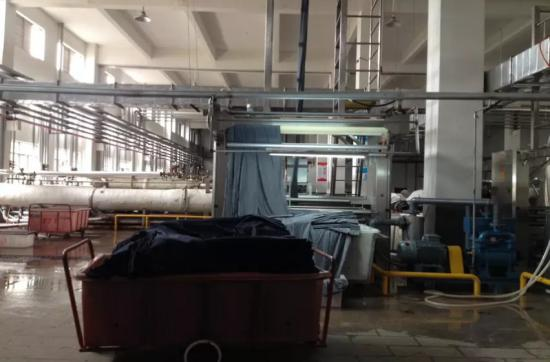
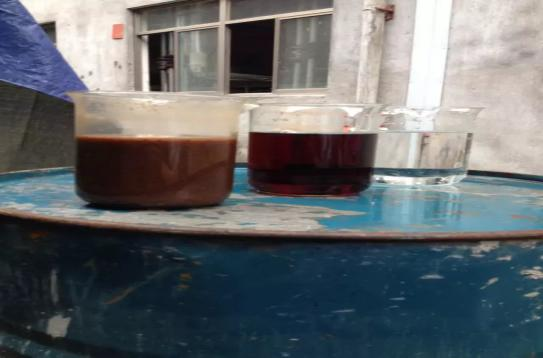
printing and dyeing is a significant consumer of industrial water and a major contributor to environmental pollution. The industrial wastewater generated during the dyeing process is characterized by high levels of residual dyes (10%–20%), elevated salt concentrations (typically ranging from 40 to 80 kg/m³), high chemical oxygen demand (COD), substantial suspended solids, and alkaline conditions, with the pH of dyeing baths generally exceeding 10.
In collaboration with several engineering firms, Tri-high Company successfully implemented tubular UF membrane technology in textile wastewater treatment. This application has enabled effective water reuse, reduced consumption of softened water, decreased wastewater discharge, lowered operational costs, and significantly mitigated environmental impact.